


How Did McDonald's Use Music and Audience Data to Delight Gen Z Consumers?
Updated: Oct 11
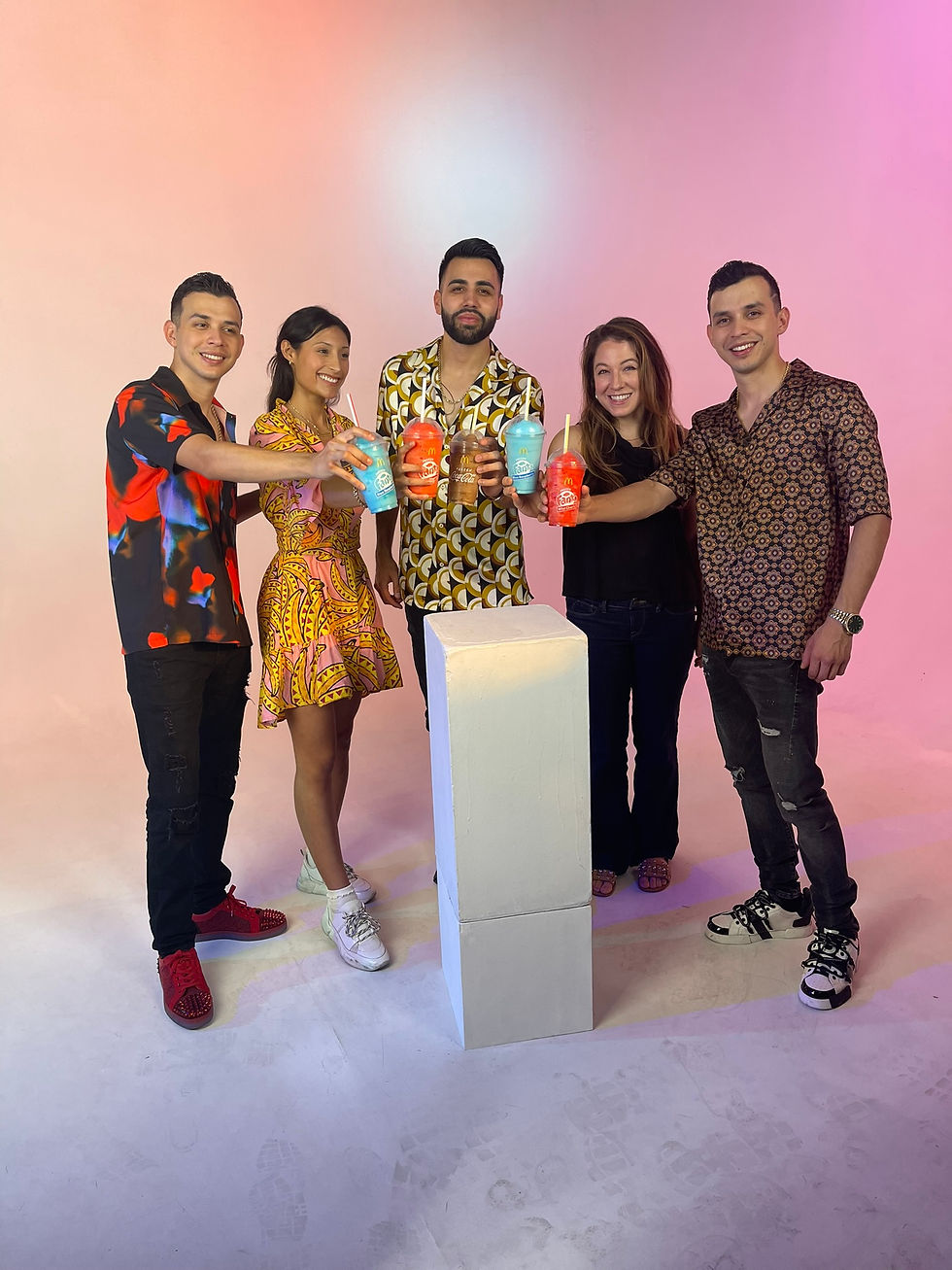
Los Parras x McDonald’s El Paso-Albuquerque Business Unit
What happens when a product launch meets culture instead of traditional advertising?
Agenda - click to go directly to the section
The Business Moment
A few years ago, I had the opportunity to work on a regional campaign for McDonald's restaurants in the El Paso and Albuquerque markets. The objective was straightforward.
Introduce frozen carbonated beverages to a younger audience.
Specifically Gen Z consumers.
Rather than relying on traditional product promotion, the campaign leaned into something far more powerful in local markets. Cultural relevance.
Music became the bridge.
The Cultural Insight
Gen Z rarely responds strongly to generic advertising language.
They respond to signals from culture. Music. Community. Shared identity.
In the El Paso and Albuquerque region, regional music culture carries strong influence among young audiences. Local artists often hold more credibility than national advertising. So the campaign centered on a collaboration with the regional music group Los Parras.
The thinking was simple... if the product appeared inside the cultural spaces Gen Z already cared about, awareness would follow naturally.
The Data Behind the Artist Collab
Artist selection was not random.
The team worked with Canvas Worldwide and a data partner called MAX to evaluate which artists indexed strongest with the target Gen Z audience in the region. Instead of guessing which artist might resonate, the agencies looked at audience overlap, streaming behavior, and social engagement patterns.
I was fortunate to work under Keisha Williford, our Group Account Director, who insisted the work resonate organically with the culture of the market. Madison Southers coordinated the account side of the campaign with remarkable attention. Their shared energy toward an excellent outcome helped translate the strategy into a campaign executed beautifully.
The band also carried a powerful cultural reach. At the time of writing, their Instagram community exceeds 2.2 million followers, giving the collaboration significant visibility among younger audiences.
In other words, the campaign partnered with artists whose existing audience already resembled the customer the brand wanted to reach.
The Marketing Move
The campaign integrated the band into promotional storytelling around the frozen carbonated beverage launch. Music content became the cultural wrapper around the product.
This approach does something subtle but powerful...
Instead of the brand asking for attention, the brand enters a cultural moment already attracting attention. For Gen Z audiences especially, this difference matters.
They are far more receptive to cultural participation than to traditional advertising.
Why this Campaign was Intelligent
From a market intelligence perspective, the campaign demonstrated three principles which frequently appear in successful regional marketing.
Cultural proximity.
Brands perform better when they operate close to the culture of the communities they serve.
Data-informed cultural partnerships.
The artist selection process relied on audience data rather than instinct.
Audience alignment.
The product targeted Gen Z. The artist audience was Gen Z. The creative environment reflected Gen Z culture.
When these elements align, campaigns feel natural instead of forced.
What a Franchise Owner can Learn
Franchise marketing often defaults to national messaging.... but regional campaigns show something profound.
Local culture can outperform generic advertising when used thoughtfully. Music, sports, community figures, and local personalities all carry influence within their audiences. When brands collaborate with those cultural signals authentically, products move more naturally into conversation.
A Strategist’s Reflection
Moments like this remind me marketing is rarely about the product alone.
It is about understanding the cultural environment surrounding the customer and positioning the brand inside that environment with intention. With, well, strategy.
It's about showing up for the right audience, at the right time, with the right product, on the right communication platform.
When culture and audience alignment are respected, marketing stops feeling forced and starts feeling like participation.
So tell me...
What cultural signals are emerging in the markets you serve?
For reference, you can see the band here:
This post reflects my personal observations from working on the campaign. It is not affiliated with or sponsored by McDonald's or the artists involved.
¡Nos vemos!


Comments